Why is my wig glue not holding?
If your wig glue keeps failing, the problem is almost never the formula. It is the surface, the application, or the conditions the glue is being asked to work through. Here is every reason glue fails to hold and the specific fix for each one.
WHY WIG GLUE STOPS HOLDING — THE ROOT CAUSES
Adhesive needs three things to bond properly: a completely clean surface, the right amount of dry time, and conditions that allow it to cure and stay cured. When any one of those is missing the glue fails and it will keep failing until that specific issue is addressed.
Cause 1: Oily or unprepared skin
Skin produces oil constantly, even immediately after washing. Any oil sitting on the hairline at the time of application creates a barrier the adhesive cannot penetrate or bond through. This is the most common single reason glue fails.
The fix: wipe the hairline with isopropyl alcohol before every install. Allow it to fully dry before anything else is applied. For oily skin or sweat prone hairlines, follow the alcohol wipe with a skin protectant that includes an antiperspirant formula. This eliminates residual moisture and creates a dry, clean surface the adhesive can grip properly.
Cause 2: Glue applied or pressed before it reached the tacky stage
Wet glue does not bond. When glue is pressed down while still white and wet, the adhesive has not cured enough to form a real connection with the lace. The install looks fine initially because the glue is holding through friction but as soon as it is exposed to heat, movement, or moisture, it releases.
The fix: apply glue in thin layers and wait. Watch for the transition from white and wet to fully clear and tacky, sticky to the touch but not wet. That is the stage to press. Use a blow dryer on a cool setting to speed up the process if needed. If you see white glue, wait. Clear means press.
For more on why glue turns white specifically, see: Why Does My Lace Glue Turn White?
Cause 3: Too much glue applied at once
Thicker applications take longer to cure, trap moisture underneath the bond, and lift more easily than thin coats. More glue does not equal stronger hold.
The fix: one thin, even layer applied across the hairline. If a second layer is needed for longer wear, allow the first to fully reach the tacky stage before adding the next. Two thin layers consistently outperform one thick application.
Cause 4: Sweat or moisture breaking the bond over time
A properly applied glue bond can still be compromised by sustained heat, sweat, or humidity if the prep was not built to handle those conditions. Moisture works its way under the lace edge and dissolves the adhesive from below. The install feels secure at first and then releases hours later.
The fix: a waterproof adhesive paired with a skin protectant applied before the glue. The protectant creates an antiperspirant barrier that keeps sweat from reaching the adhesive. Without this step no glue holds reliably through gym sessions, hot climates, or extended daily wear.
Cause 5: Insufficient pressure or cure time after installation
The bond forms under pressure, not after. Pressing lightly for a few seconds and moving on means the adhesive never fully connected with the lace surface.
The fix: after laying the lace, press firmly along the entire hairline for a full 60 seconds. Start from the center and work outward toward the edges. Wrap a soft scarf around the hairline for 10 to 15 minutes after installation. Consistent pressure while the bond cures is what makes the difference between an install that holds for hours versus one that holds for days.
WHAT CAUSES GLUE TO FAIL AFTER JUST A FEW HOURS?
Short hold time, meaning glue that holds initially but releases within two to four hours, is almost always a surface prep problem.
The bond formed but was not strong enough to last under real conditions because it was built on oily skin, applied too thick, pressed too early, or lacked a moisture barrier for active wear. All of these are addressable through prep adjustments rather than product changes.
WHY DOES MY GLUE IRRITATE MY SKIN?
Glue irritation has two main causes.
The first is direct adhesive contact with unprepared sensitive skin. Applying glue directly to bare skin without a barrier increases irritation risk, especially for daily wearers and anyone managing alopecia. A skin protectant applied before the glue creates a buffer between the adhesive and skin and this reduces contact irritation significantly.
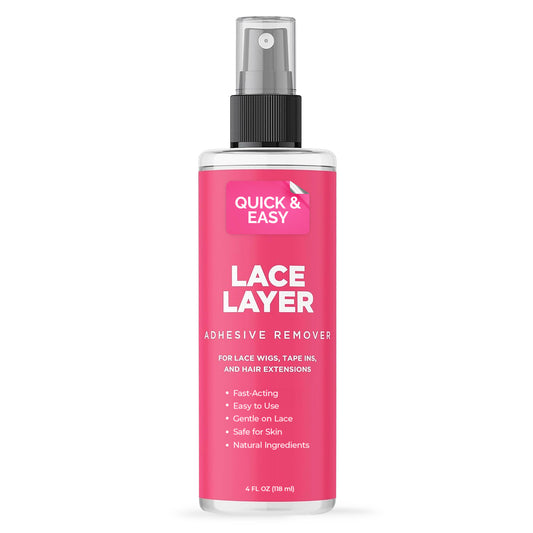
The second is residue left on the skin after incomplete removal. Glue that is not fully dissolved before lifting sits on the hairline and causes ongoing irritation. A dedicated remover, citrus oil or organic solvent based, applied and allowed to fully dissolve the bond before lifting is the correct removal process. If you feel resistance when lifting the lace, the bond is not dissolved yet.
FREQUENTLY ASKED QUESTIONS
Why is my wig glue not holding?
Almost always a prep issue. Oily skin during application, glue pressed down before reaching the tacky stage, or sweat breaking the bond without an antiperspirant barrier. Address prep before changing products.
What causes glue to fail after a few hours?
Oily skin present during application, insufficient dry time before pressing, or sweat dissolving the bond without a moisture barrier in the prep routine. These are all fixable without switching glue.
Why does my glue irritate my skin?
Direct adhesive contact with unprepared skin and residue left from incomplete removal. Apply a skin protectant before the glue and use a proper citrus oil based remover for clean removal.
How many layers of glue should I use?
One to two thin layers. Each layer should be fully clear and tacky before the next is applied. More than two layers typically creates more problems than it solves.
Can I fix a bad glue application without starting over?
Yes, if you are still at home. Lift the section, apply remover, allow it to dissolve fully, wipe with alcohol, and restart with a thin even layer. Do not apply more glue on top of a poor application.
THE BOTTOM LINE
Glue fails because of three things: an oily surface, insufficient dry time, or moisture breaking the bond. None of those are fixed by switching products. They are fixed by adjusting the prep.
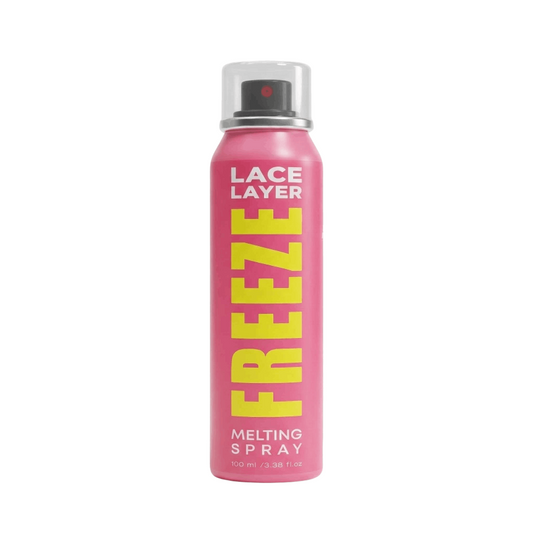
Lace Layer Glue is waterproof and oil resistant. Paired with Lace Layer Skin Protectant as a prep step it is designed for the exact conditions, sweat, oily skin, long wear, and heat, that cause most installs to fail. Start with prep. The product does the rest.